
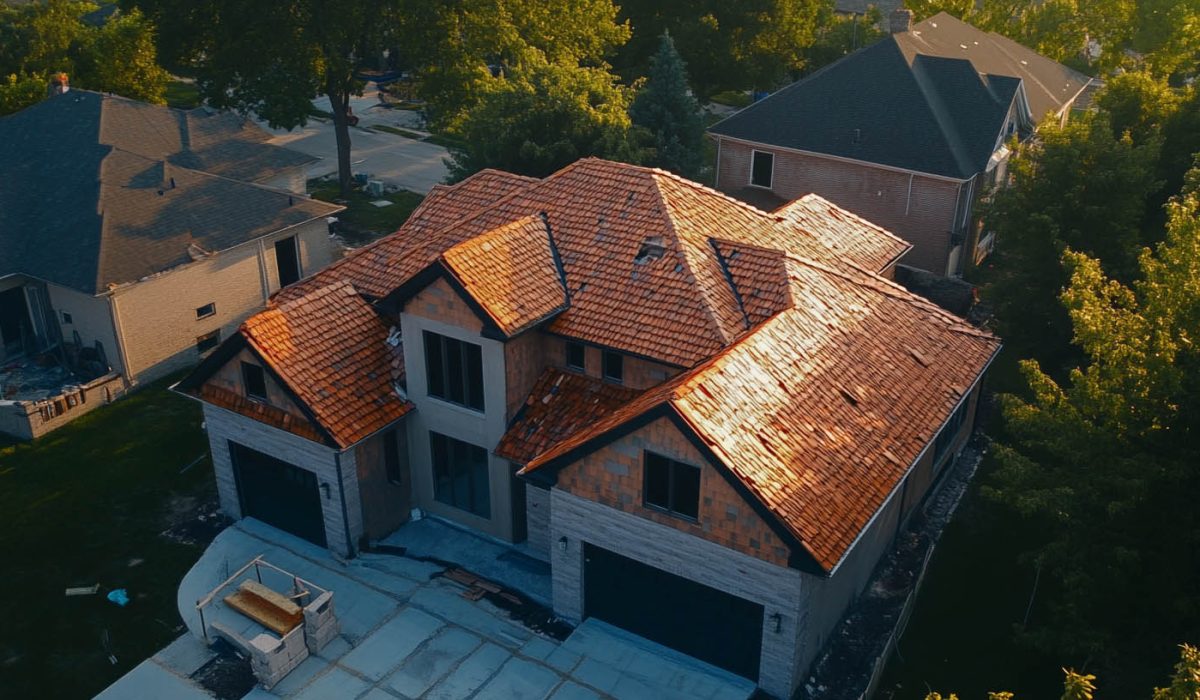
When it comes to maintaining a home’s structural integrity, choosing between a complete roof replacement and an overlayment is a critical decision. Each option has distinct advantages, costs, and long-term implications, making it essential for homeowners to evaluate their needs carefully. Roof Repair Anaheim, a company built on quality, honor, and respect, provides expert roofing solutions with a 7-Year Workmanship Warranty. Fully insured and licensed, the company has earned industry recognition, including BBB Accredited A+ Rating, 5-Star Google Reviews, and Owens Corning Preferred Contractor. This guide will help you understand the differences between roof replacement and overlayment so you can make the right choice for your home.
What Is a Roof Replacement?
A roof replacement involves the complete removal of the existing roof down to the decking before installing a new roofing system. This process allows for a thorough inspection of the roof’s underlying structure, ensuring any damage is identified and repaired before a new roof is installed.
Benefits of a Roof Replacement
- Comprehensive Structural Inspection – By removing old materials, roofers can assess and repair issues such as rotting wood, mold, or water damage.
- Increased Longevity – A brand-new roof provides superior protection, typically lasting 20 to 50 years, depending on the materials used.
- Enhanced Energy Efficiency – Upgrading to modern roofing materials can improve insulation and reduce heating and cooling costs.
- Higher Property Value – A new roof adds curb appeal and increases a home’s resale value, making it a great investment.
Drawbacks of a Roof Replacement
- Higher Cost – Due to the labor and materials required, a full roof replacement is more expensive than an overlayment.
- Longer Installation Time – The process can take several days to complete, depending on the roof’s size and complexity.
What Is a Roof Overlayment?
A roof overlayment, also known as a reroof, involves placing a new layer of shingles over the existing roof without removing the original materials. This option is only viable if the current roof is in relatively good condition with no significant structural damage.
Benefits of a Roof Overlayment
- Cost-Effective – Since it requires fewer materials and labor, an overlayment is more affordable than a full replacement.
- Faster Installation – With no need for tear-off, the process is quicker, reducing disruption to your daily routine.
- Environmentally Friendly – By keeping old roofing materials in place, an overlayment produces less waste.
Drawbacks of a Roof Overlayment
- Hidden Damage Risk – Since the old roof remains intact, underlying issues such as leaks, mold, or wood rot may go undetected.
- Shorter Lifespan – An overlayment does not last as long as a complete replacement, as it relies on the integrity of the existing roof.
- Increased Weight Load – Adding another layer of shingles can put extra stress on the structure, potentially causing long-term issues.
Which Option Is Best for Your Home?
Deciding between a roof replacement and an overlayment depends on several factors, including budget, the current condition of your roof, and long-term maintenance goals. If your roof has significant damage, water leaks, or is nearing the end of its lifespan, a full replacement is the best option. However, if your roof is in good condition but showing signs of aging, an overlayment may be a cost-effective solution.
Frequently Asked Questions (FAQs)
1. What is the difference between a roof replacement and an overlayment?
A roof replacement involves removing the old roofing materials and installing a completely new system, while an overlayment adds a new layer of shingles over the existing roof without removing the old materials.
2. When is an overlayment a good option?
Overlayment can be a cost-effective choice if the existing roof is in good structural condition, has only one layer of shingles, and does not have extensive damage or moisture issues.
3. What are the disadvantages of an overlayment?
Overlayment adds extra weight to the roof, does not address underlying issues, and can make future repairs or replacements more difficult and expensive.
4. When is a full roof replacement necessary?
A roof replacement is required if there are multiple layers of old roofing, significant water damage, sagging areas, or if the roof is nearing the end of its lifespan.
5. Does an overlayment affect my home’s resale value?
While an overlayment may improve curb appeal in the short term, potential buyers may prefer a full replacement due to concerns about hidden damage beneath the old shingles
Conclusion
Both roof replacement and overlayment in Anaheim, CA have their advantages, and the right choice depends on your specific needs. Investing in a high-quality roofing solution ensures better protection, energy efficiency, and long-term savings. For expert guidance and installation, Roof Repair Anaheim provides professional roofing services backed by top industry certifications and warranties. Choosing the right roofing solution today can help protect your home for years to come.
To learn more about why spray foam roofing stands out as the best choice, click here.